
What Is a Building Management System (BMS)?
A Building Management System (BMS) is a centralized platform used to monitor, control, and manage a building’s core systems. It enables building owners and facility managers to oversee operations more efficiently while ensuring safety, comfort, and reliability.
In modern commercial and industrial buildings, a BMS serves as the foundation of smart building operations by bringing multiple systems together under one unified interface.
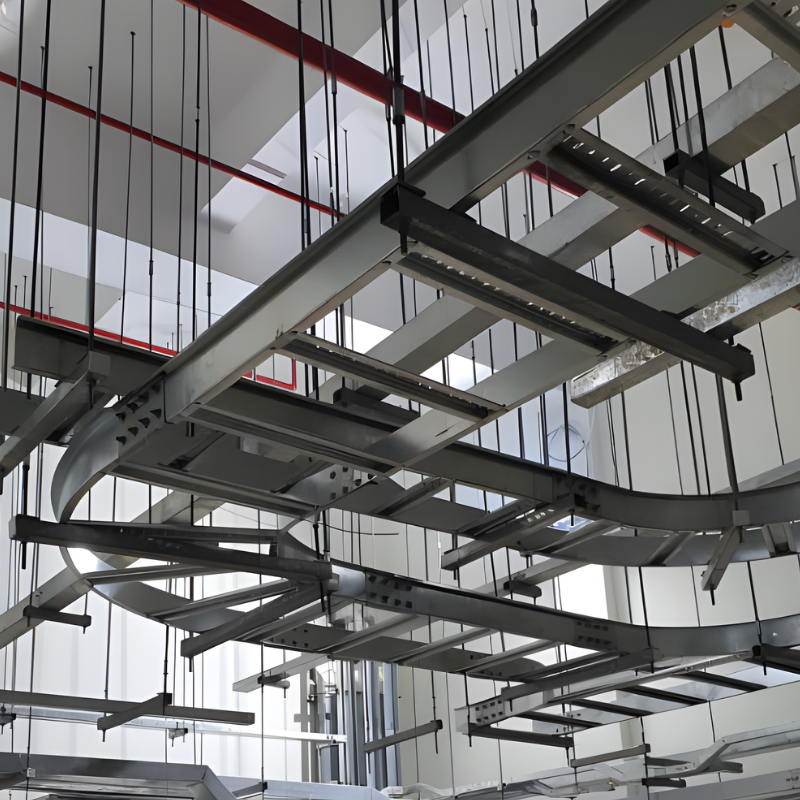
Key Functions of a Building Management Systems (BMS)
A Building Management System typically supports the centralized management of essential building services, including:
– Heating, Ventilation, and Air Conditioning (HVAC)
– Electrical and power monitoring
– Lighting control
– Alarm and system status monitoring
– Equipment operation and performance visibility
By consolidating these systems, BMS provides clear operational insight and simplifies daily building management.
Challenges and Considerations
– Scalability and Future Expansion
A well-designed BMS should support future building expansion or system upgrades. Poor system architecture may limit scalability and result in costly modifications or system rework in the long term.
– Cybersecurity and Data Protection
As BMS platforms become more connected and IP-based, cybersecurity risks increase. Proper network segmentation, access control mechanisms, and security policies are essential to protect building systems from unauthorized access and cyber threats.
– Operational Expertise and Training
The effectiveness of a BMS depends largely on the users operating it. Without adequate training and operational knowledge, advanced system features may be underutilized, reducing overall system effectiveness and return on investment.
– Ongoing Maintenance and Support
Regular system updates, calibration, and technical support are necessary to maintain system performance, accuracy, and long-term reliability.
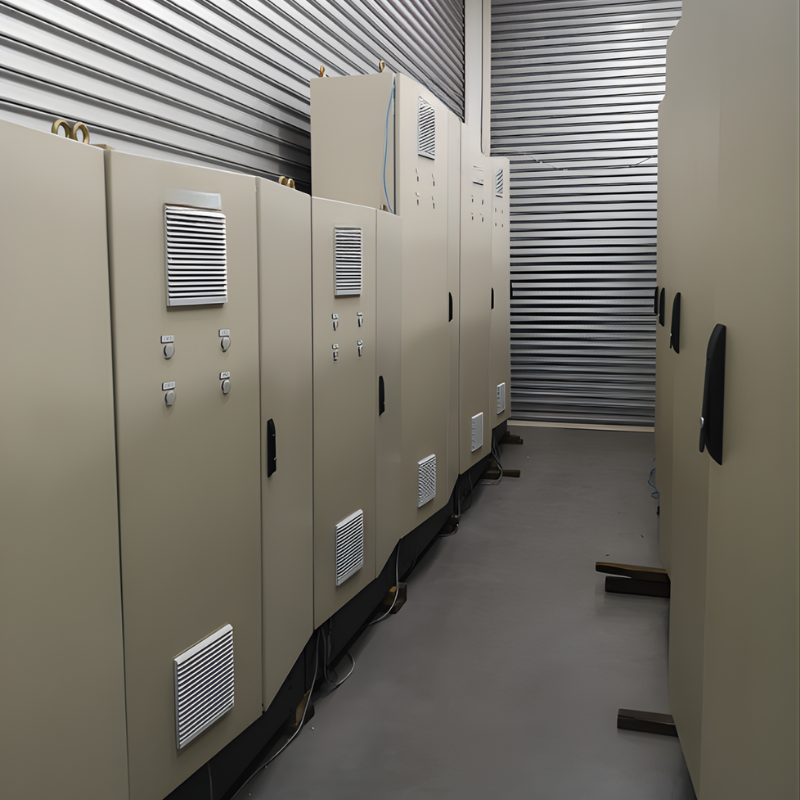

Benefits of Implementing a Building Management System
– Improved Operational Efficiency
With real-time monitoring and automated control, a BMS helps streamline building operations and reduces the need for manual intervention.
– Enhanced System Reliability
Early detection of abnormal conditions allows corrective actions to be taken sooner, minimizing unexpected disruptions and improving system stability.
– Energy Optimization
BMS supports energy management strategies by helping buildings monitor usage patterns and reduce unnecessary energy consumption.
– Better Facility Management
A centralized platform improves visibility across all connected systems, enabling more informed decisions and efficient resource allocation.
Why Building Management System (BMS) Is Essential for Smart Buildings?
As buildings become more complex, the demand for smarter and more integrated management solutions continues to grow. A Building Management System is no longer considered an optional upgrade—it is a critical component for buildings aiming to achieve long-term efficiency, sustainability, and operational control.
Building Management Systems are widely adopted as part of smart building initiatives, aligned with energy efficiency guidelines and standards promoted by the Energy Commission Malaysia (Suruhanjaya Tenaga).
Conclusion
A well-designed Building Management System provides the structure needed to manage today’s buildings effectively while preparing for future expansion and digitalization. By improving efficiency, visibility, and energy performance, BMS remains a key enabler in the evolution of smart and sustainable buildings.
If you would like to learn more about Building Management Systems or explore how a BMS solution can support your project requirements, feel free to contact us for further discussion.
👉 Contact Ener Tech to learn more:
https://enertech.com.my/contact