
Factory acceptance testing helps project teams find control panel and automation issues before equipment reaches the plant. A cabinet may look ready to ship, yet a wrong signal, unclear alarm or missing test record can still delay commissioning. For plant owners and project managers, the real question is simple: what has been checked, and what still needs attention?
In a cogeneration project, electrical generation and useful heat support wider plant operations. As a result, teams must coordinate control interfaces, operating sequences and handover responsibilities. A structured factory acceptance test (FAT) gives them an earlier opportunity to review the agreed scope. It helps turn assumptions into documented checks before site work begins.
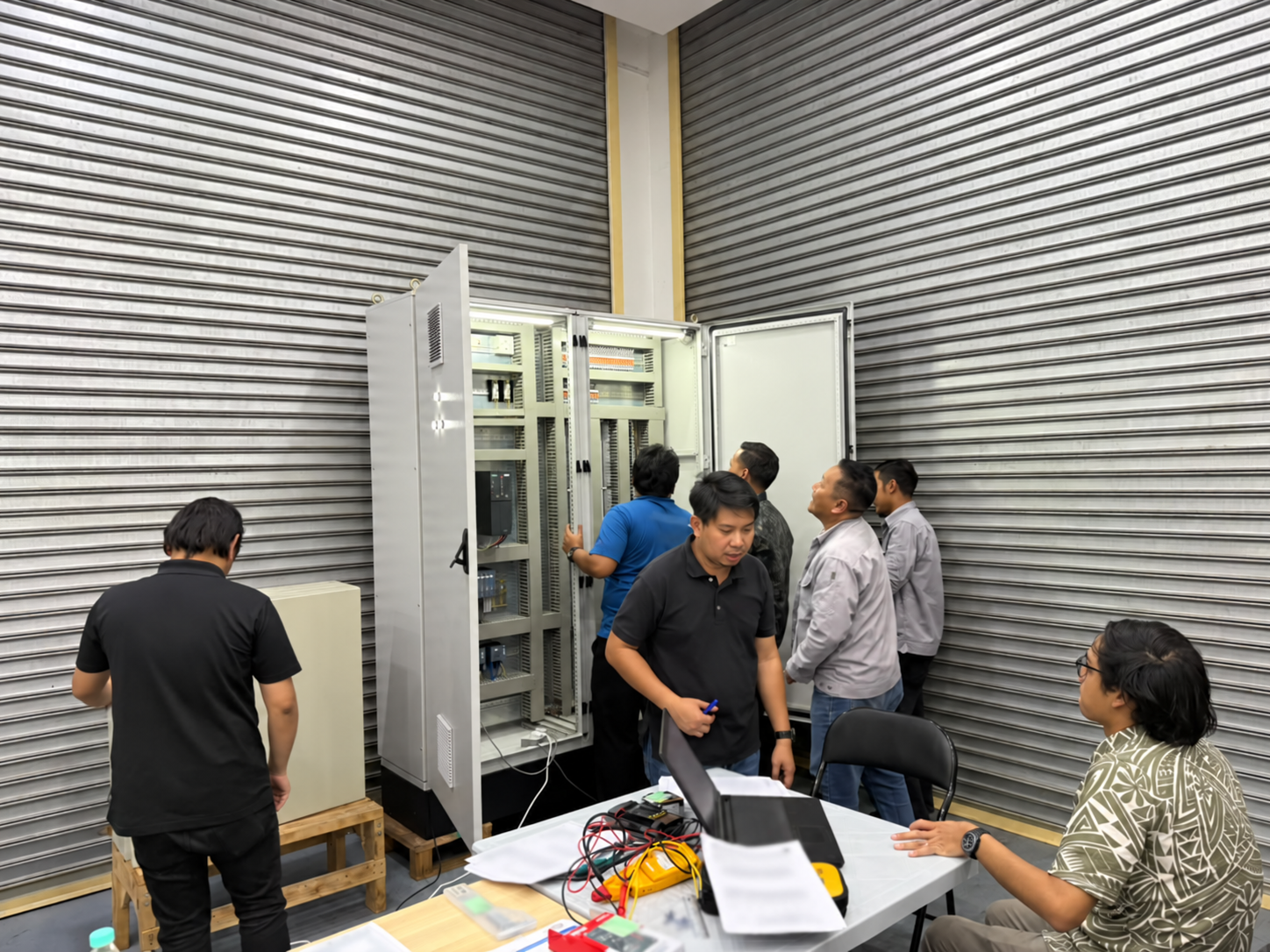
Why Factory Acceptance Testing Matters Before Commissioning
Factory acceptance testing checks the supplied system against an agreed specification before delivery. Rather than simply showing that equipment powers up, it should establish clear test cases, expected responses and records of the results. The scope depends on the equipment, contract and facilities available for testing.
For reference, IEC 62381:2024 covers acceptance and integration testing for process-industry automation systems. It provides a basis for agreeing responsibilities and developing project-specific test plans. Referencing the standard here does not imply certification or a compliance claim for the photographed equipment.
Client Pain Points: When Small Gaps Become Site Delays
1. Wiring problems appear when the schedule is already tight
A wrong terminal connection or mismatched signal label can consume valuable site time. By then, installation crews and commissioning engineers may be working to the same deadline. Finding the issue earlier creates more room to correct it, update the drawings and repeat the relevant check.
2. Equipment works on its own, but interfaces remain unclear
A controller, field device and operator screen may each work separately. However, that does not prove that their commands, status signals and alarms agree. In an EPCC project, unclear interface ownership can leave gaps between engineering, procurement, construction and commissioning teams.
3. Operators receive alarms without enough context
An alarm that appears on a screen is not automatically useful. Teams also need to review its description, priority and expected response. Otherwise, operators may struggle to understand which condition needs attention when several events occur together.
4. Handover depends on memory instead of evidence
Without clear records, a verbal assurance that an item was tested is difficult to trace. Open comments can also lose their owner as the project moves to site. Consequently, teams may repeat work or debate whether a requirement was included in the original scope.
How Ener Tech Supports Factory Acceptance Testing
Ener Tech Solutions Sdn. Bhd. provides industrial automation and engineering services, including panel fabrication, FAT with electronic records, site installation, testing and commissioning. These connected services help clients consider factory checks together with the later site handover.
The following workflow outlines practical areas to discuss with Ener Tech when defining a factory acceptance testing scope. It is a planning guide, not a claim that every test below was performed in the photographed session.
Agree Factory Acceptance Testing Requirements
First, bring the latest drawings, equipment lists, input/output (I/O) lists and control requirements into one review. Define what the supplier will demonstrate, who will witness each check and how acceptance will be recorded. Also identify tests that depend on site equipment and cannot be completed in the workshop.
Review the panel and its documentation together
Next, compare the cabinet build with the approved design. Relevant checks may include component identification, terminal references, wiring labels and access for maintenance. Qualified personnel should define and perform electrical tests using suitable instruments and approved safety procedures. A photograph alone cannot confirm electrical safety or a passing result.
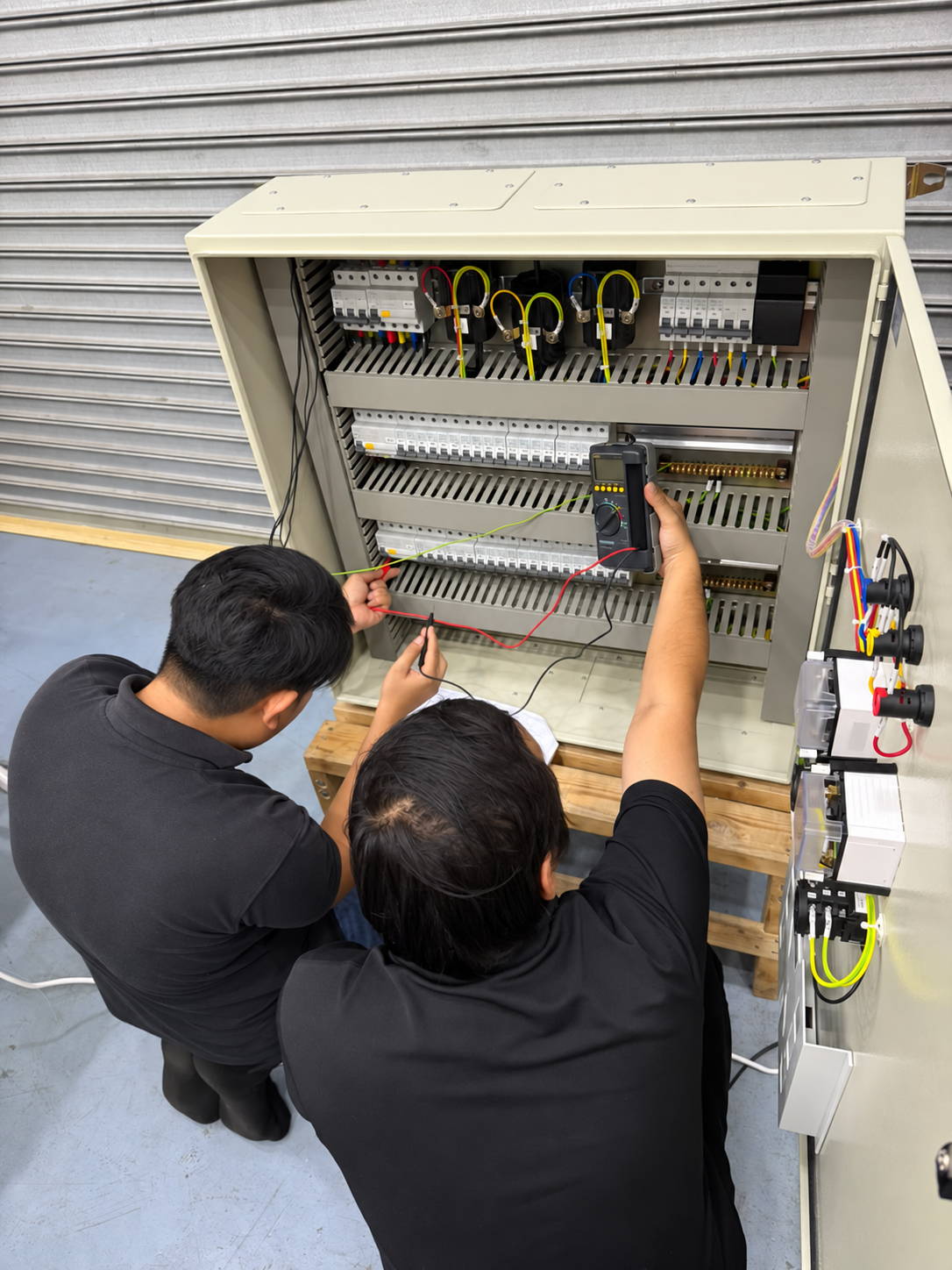
Check control behaviour within the agreed scope
Where the test setup permits, review simulated inputs, output responses, operator displays and alarm behaviour. For example, an agreed test may compare a simulated process condition with the displayed status and expected control response. Record which signals are simulated so that nobody mistakes a workshop demonstration for a complete plant test.
Track Factory Acceptance Testing Findings and Corrections
Then, place each finding on a punch list with an owner, action and completion status. After a correction, repeat the affected test and record the outcome. This gives the client a clearer basis for deciding whether equipment is ready for shipment or needs further work.
Prepare the transition to site
Finally, organise the agreed handover package. It may include updated drawings, relevant software backups, test records and outstanding actions. Carry any site-dependent checks into the commissioning plan instead of treating them as completed at the factory.
What Clients Gain from Factory Acceptance Testing
- Earlier visibility of issues: review defects and scope gaps before site access and installation schedules become limiting factors.
- Better control of rework: plan corrections in the workshop and verify them before dispatch where practical.
- Clearer responsibility: connect each open item to the team that needs to resolve it.
- More useful handover records: give commissioning and maintenance teams a traceable starting point.
- More informed acceptance: base shipment discussions on test evidence, agreed limitations and remaining actions.
These are risk-management benefits, not a promise of zero defects or zero downtime. The outcome depends on the quality of the requirements, test coverage and follow-through. Factory acceptance testing is most useful when it supports the full delivery process rather than becoming a last-minute formality.
FAT and SAT: Different Stages, Shared Purpose
FAT focuses on what teams can verify before delivery. Site acceptance testing (SAT) addresses the installed system under the agreed site conditions. Therefore, a successful workshop test does not remove the need for field checks, site integration work or commissioning.
For cogeneration and other plant projects, this distinction matters. Some interfaces involve equipment that is not present at the factory. Record those limits clearly, then assign the remaining checks to the correct site stage.
Frequently Asked Questions
When should factory acceptance testing be planned?
Plan it during engineering, before the equipment is ready to ship. Early planning gives both parties time to agree test cases, witness arrangements and acceptance criteria. It also helps identify simulation tools or interface information that the team will need.
What should a client request before attending FAT?
Ask for the current test procedure, relevant approved drawings, expected results and a clear scope of supply. In addition, confirm how findings will be recorded and which activities remain for site testing. This makes the session more focused and easier to follow.
Does a completed FAT guarantee plant performance?
No. It provides evidence only for the scope and conditions tested. Actual plant performance also depends on installation, field equipment, integration, operating conditions and commissioning. Any performance guarantee must come from the applicable contract and verified test results.
Plan Factory Acceptance Testing with Ener Tech
Preparing a control panel, automation upgrade or cogeneration project? Discuss factory acceptance testing before the delivery deadline becomes the priority. Share your drawings, control requirements and target schedule with Ener Tech so we can review the required engineering, panel and testing scope.
Contact Ener Tech to discuss your FAT requirements, or email enertech@enertech.com.my. Let us help you prepare for a clearer handover and a better-planned commissioning stage.