
Digital documentation for Industry 4.0 is becoming essential for businesses looking to improve efficiency, ensure data accuracy, and streamline operations. As companies accelerate digital transformation, structured documentation systems play a critical role in enabling smarter and more connected workflows.
What is Digitalization Documentation?
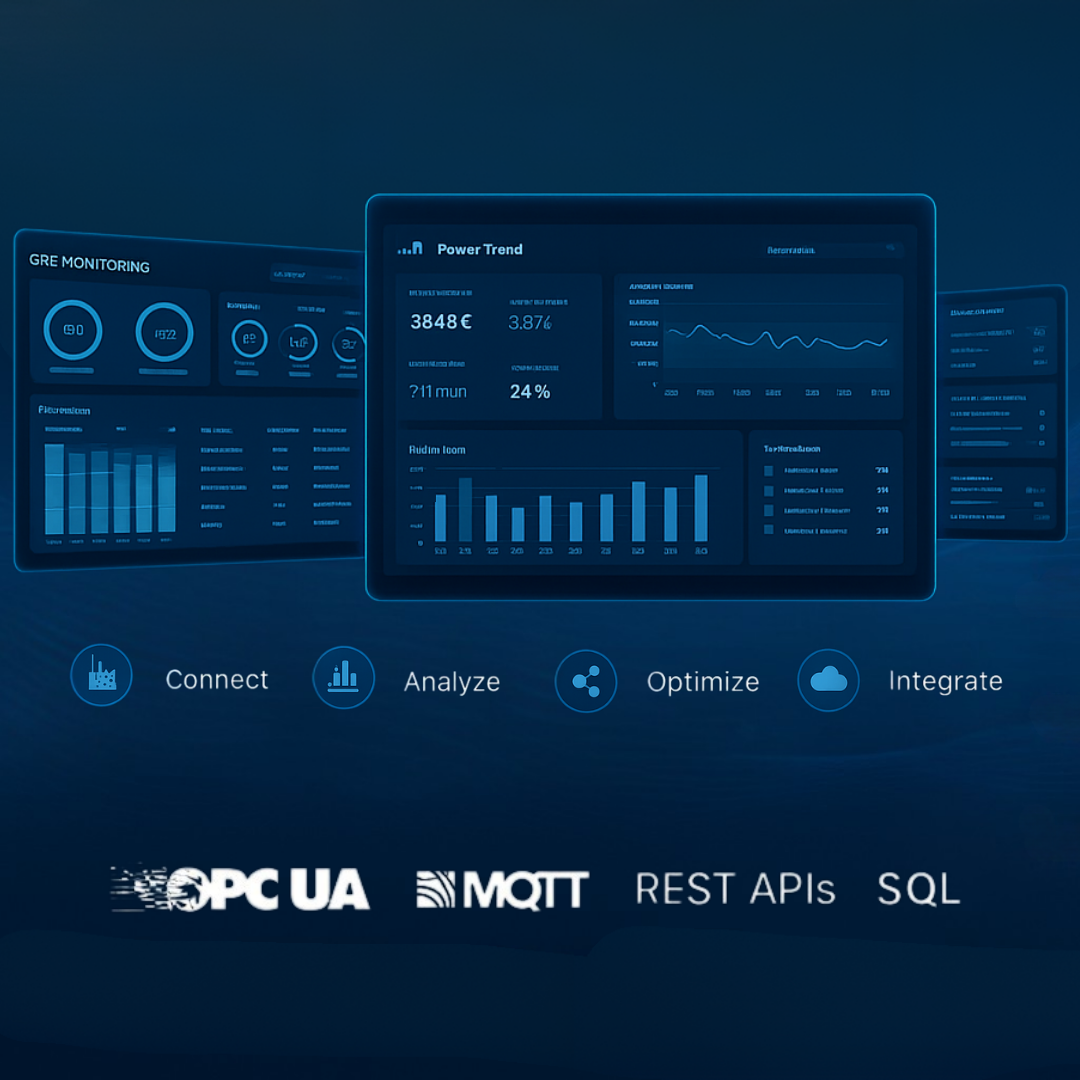
Digitalization documentation refers to the process of converting, structuring, and managing business documents in digital formats. This includes operational procedures, technical specifications, quality records, and data logs.
More importantly, it is not just about digitizing documents—it is about creating an interconnected system where information flows seamlessly across departments and platforms.
The Shift from Traditional to Digital Documentation
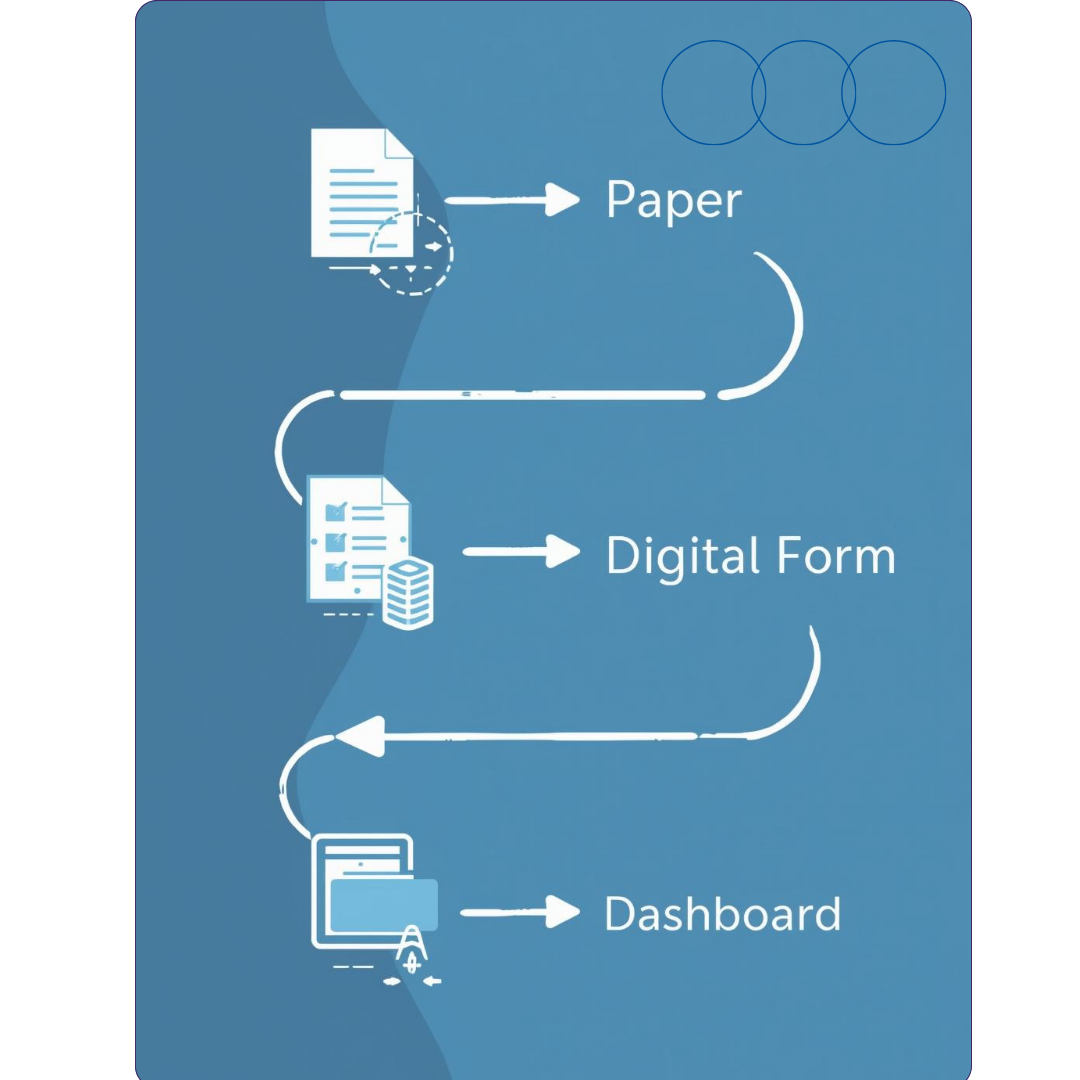
Traditional documentation methods often come with limitations:
– Time-consuming manual handling
– High risk of human error
– Limited accessibility and version confusion
– Difficulty in tracking and auditing
In contrast, digital documentation systems provide:
– Instant access to information
– Standardized data formats
– Real-time updates and version control
– Enhanced traceability and compliance
This shift is essential for businesses aiming to stay competitive in a data-driven environment.

Key Benefits of Digitalization Documentation
1. Improved Operational Efficiency
Digital systems significantly reduce the time required to create, manage, and retrieve documents, enabling faster workflows and decision-making. As a result, businesses can respond more quickly to operational demands.
2. Enhanced Data Accuracy
Automation and standardized templates help minimize errors and ensure consistent data across processes. In addition, this improves overall data reliability and reduces costly mistakes.
3. Better Collaboration Across Teams
With centralized access, teams can work on the same data simultaneously, regardless of location. Furthermore, this enhances communication and coordination across departments.
4. Stronger Compliance and Traceability
Digital records are easier to track, audit, and maintain, ensuring compliance with industry standards and regulations. Therefore, organizations can achieve greater transparency and accountability.
Applications in Industry 4.0
Industry experts highlight that digital documentation plays a key role in enabling data-driven decision-making and smart manufacturing. Furthermore, according to Industry 4.0 principles, integrating digital systems is essential for achieving higher efficiency and operational intelligence.
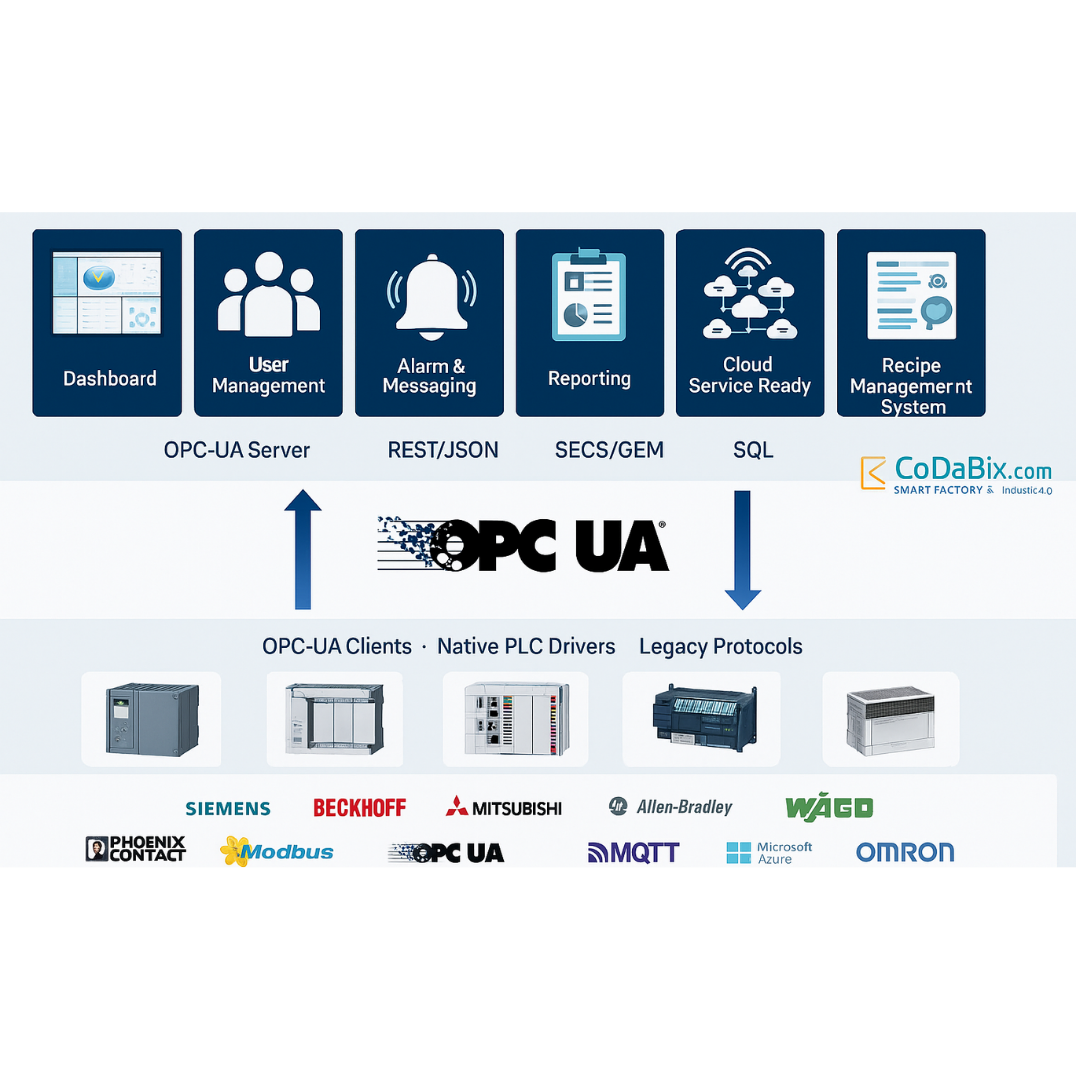
In modern industrial environments, digital documentation plays a vital role in supporting:
– Smart manufacturing systems
– Machine vision and automated inspection
– IoT-enabled devices and data collection
– AI-driven analytics and optimization
As a result, by integrating documentation with these technologies, businesses can achieve higher levels of automation and intelligence.
Conclusion
Digitalization documentation is no longer just a support function. It is now a key part of modern business operations.It helps businesses manage and share information more efficiently. It also improves accuracy and ensures better compliance.
Therefore, companies that invest in digital documentation today can adapt faster and scale more easily. They are also better prepared for future growth.
👉 Contact Ener Tech to learn more:
https://enertech.com.my/contact